
Hydraulic Engineering
The physical principles of fluid flow, hydraulic structures, and water systems.
Explore emerging research, computational methods, and intelligent approaches shaping the future of hydraulic and water systems.
Research · Innovation · Intelligent Water Systems
Water systems are complex physical environments. Understanding their behaviour requires sound engineering principles, rigorous mathematical models, and increasingly sophisticated computational methods.
AI-CHHE 2026 is centred on the intersection of conventional hydraulics and intelligent water systems. Its theme, “From Conventional Hydraulics to Intelligent Water Systems,” highlights the evolving relationship between established engineering knowledge and emerging computational approaches.
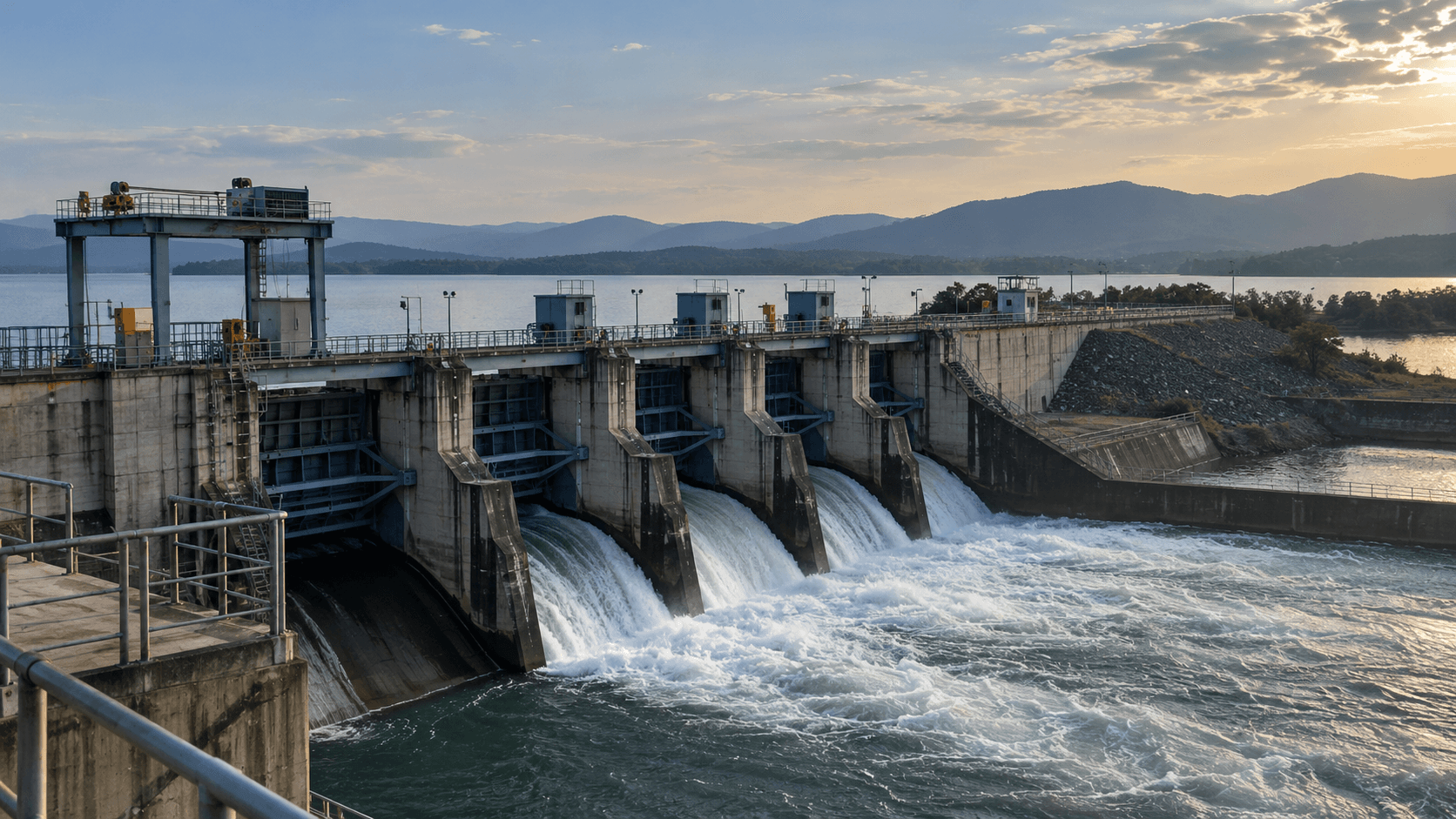
Advancing the understanding of water systems.
Areas of intersection
Established engineering principles and emerging computational methods offer complementary ways to investigate water systems.
The physical principles of fluid flow, hydraulic structures, and water systems.
Numerical methods and simulation for understanding complex hydraulic processes.
Data-driven techniques for analysing and modelling water-related systems.
The symposium theme creates space to explore how hydraulic engineering, numerical modelling, and intelligent computational methods relate to the future study of water systems.
Discover research directions connecting established hydraulic engineering principles with computational modelling, artificial intelligence, and emerging approaches to water systems.
Explore pipe flow, open-channel flow, turbulence, and experimental hydraulics to understand fundamental fluid behaviour and hydraulic processes.
Investigate river hydraulics, sediment transport, river morphology, scour, and confluences to address complex challenges in river engineering.
Explore dams, spillways, weirs, bridges, energy dissipation, and hydraulic modelling for the analysis and design of hydraulic infrastructure.
Address floods, droughts, watershed management, groundwater, and water security through scientific analysis and modern water-resource approaches.
Explore numerical modelling, computational fluid dynamics, turbulence modelling, and multiphase flow to understand complex hydraulic phenomena.
Investigate artificial intelligence, machine learning, IoT, GIS, remote sensing, and digital twins for intelligent monitoring and data-driven water systems.
Explore climate change adaptation, nature-based solutions, water reuse, and sustainable infrastructure to build resilient water-management systems.
The central theme connects physical understanding, computational analysis, and intelligent approaches to water-related research.
Participate in the SymposiumMeet the experts and researchers exploring the intersection of artificial intelligence, computational fluid dynamics, and next-generation hydrology and hydraulic engineering.

National Institute of Technology Rourkela

National Institute of Hydrology, Centre for Flood Management Studies (CFMS)

Department of Water Resources Management, Indian Institute of Technology Roorkee

Department of Hydrology, Indian Institute of Technology Roorkee
Department of Civil Engineering, Indian Institute of Technology (BHU) Varanasi, UP

Department of Civil Engineering, National Institute of Technology Warangal

Department of Civil Engineering, Indian Institute of Technology Kharagpur

Department of Civil Engineering, Indian Institute of Technology (ISM) Dhanbad

Department of Civil Engineering, Indian Institute of Technology Kharagpur

Department of Civil Engineering, Chaitanya Bharathi Institute of Technology (CBIT)
Explore the two-day AI-CHHE 2026 symposium. The detailed session schedule and timings will be published once officially confirmed.
DAY ONE
Saturday
Session details and timings will be announced soon.
DAY TWO
Sunday
Session details and timings will be announced soon.
The complete symposium schedule will be available here after confirmation by the organising committee.
Keep track of the symposium dates and upcoming submission and registration deadlines for AI-CHHE 2026.
SYMPOSIUM DAY ONE
First day of AI-CHHE 2026.
SYMPOSIUM DAY TWO
Second day of AI-CHHE 2026.
ABSTRACT SUBMISSION
Submission deadline will be announced by the organisers.
REGISTRATION DEADLINE
Registration deadline will be announced by the organisers.
AI-CHHE 2026 · NIT PATNA
Explore registration and abstract submission details for the symposium.
Connect with researchers, academicians, and professionals at AI-CHHE 2026, hosted by the Department of Civil Engineering at the National Institute of Technology Patna.
THE VENUE
Department of Civil Engineering
Patna, Bihar, India
21–22 November 2026
The specific venue, building, and room details will be published once confirmed by the organising committee.
View campus mapGET IN TOUCH
Need information about registration, abstract submissions, or the symposium? Reach out through the official contact channel.
ENQUIRIES
Contact details will be announced by the organising committee.
AI-CHHE 2026 · Department of Civil Engineering · NIT Patna
Places to visit
While you are in Patna for AI-CHHE 2026, take time to explore these landmarks around the city.

Patna, Bihar
Sikh gurdwara in Patna

Patna, Bihar
Art and history museum in Patna
Reach the organising committee of AI-CHHE 2026 about registration, abstract submission, fees, or visiting NIT Patna. You will get a confirmation email the moment your query is submitted.
WHAT HAPPENS NEXT
YOUR QUERY IS RECORDED
The message is saved and listed in the organisers' query inbox right away.
CONFIRMATION EMAIL
You receive an email confirming that your query has reached us.
REPLY FROM THE COMMITTEE
The organising committee reads your query and replies to your email.
For registration and payment questions, keep your registration reference handy so we can find you quickly.
AI-CHHE 2026 · Department of Civil Engineering · NIT Patna